
By Daphne Uduneje
Nigeria’s drive to establish a commercially viable clean mobility ecosystem is increasingly being positioned as a strategic economic imperative, with the Presidential Initiative on Compressed Natural Gas and Electric Vehicles (Pi-CNG & EV) identifying lower transportation costs, energy security, industrial development and job creation as key dividends of the transition.
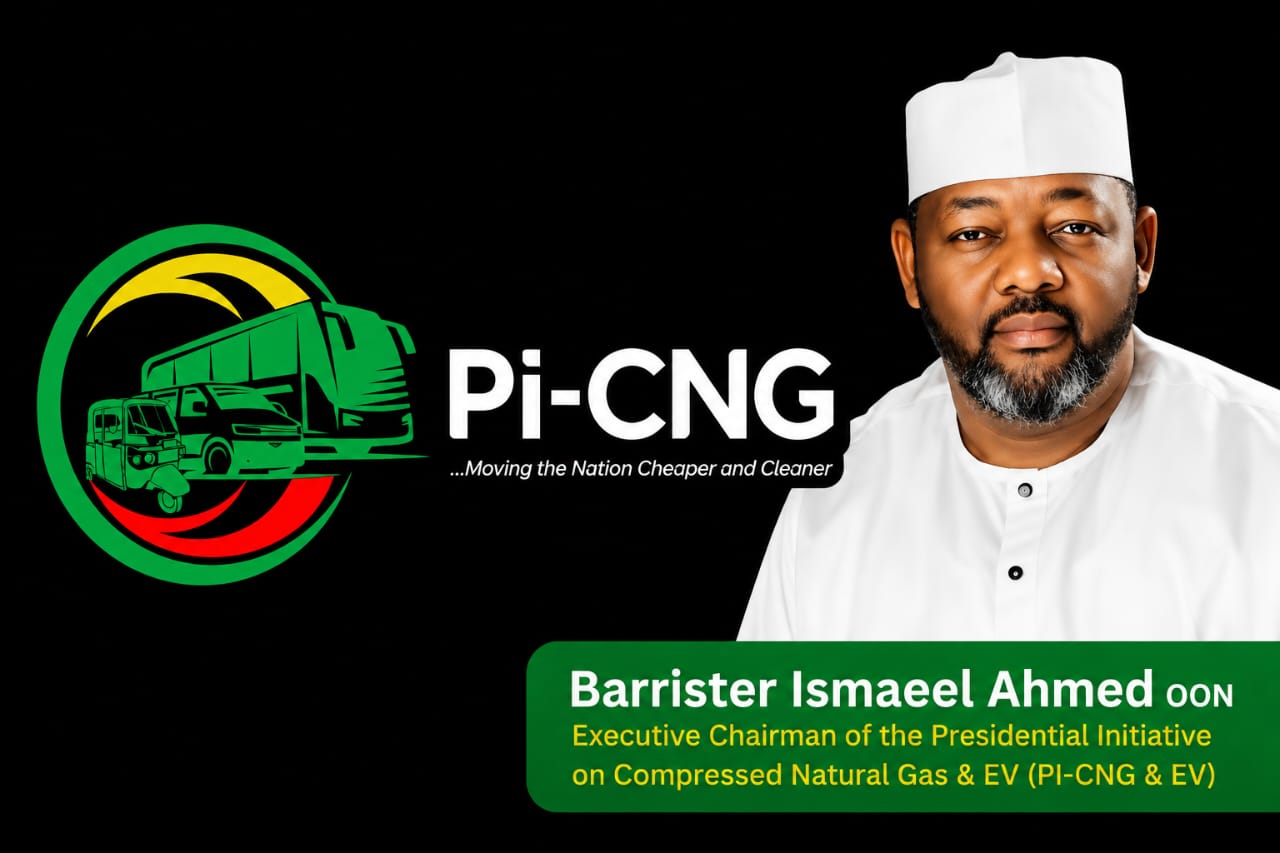
Executive Chairman and Chief Executive Officer of Pi-CNG & EV, Barrister Ismaeel Ahmed, said the country’s shift towards Compressed Natural Gas (CNG) and Electric Vehicles (EVs) had moved beyond an environmental agenda to become an important pillar of the Federal Government’s transportation and energy strategy under President Bola Ahmed Tinubu.
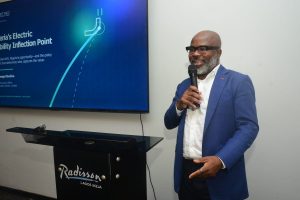
Ahmed made the assertion while delivering the keynote address at the 3rd Nigeria Auto Industry Summit (NAISU), organised by the Nigeria Auto Journalists Association (NAJA), where he spoke on the theme, “Nigeria’s Clean Mobility Future: The EV and CNG Journey Under the Bola Tinubu Administration.”
According to him, the Presidential Initiative was established to coordinate Nigeria’s transition towards cleaner transportation while creating the infrastructure, financing structures, technical capacity and industrial ecosystem required to make alternative mobility solutions commercially sustainable.
The initiative, he explained, goes beyond promoting alternative fuels to creating investment opportunities, expanding infrastructure, supporting vehicle conversion, strengthening local manufacturing, developing technical skills and building consumer confidence in emerging mobility technologies.
Ahmed said the policy impetus for the programme was strengthened by the removal of fuel subsidy, which heightened the need for a more affordable transportation alternative capable of leveraging Nigeria’s abundant natural gas resources.
“From the outset, our approach has been to build the foundations of a sustainable industry rather than pursue isolated interventions,” he said.
He noted that Pi-CNG & EV had consequently adopted a collaborative approach, working with regulators, investors, vehicle manufacturers, conversion companies, financial institutions, development partners, transport unions and state governments to build the ecosystem required for mass adoption.
Building a commercially viable CNG ecosystem
Ahmed said significant progress had been recorded in the development of Nigeria’s CNG ecosystem over the past two years, with the number of certified conversion centres expanding while refuelling infrastructure continues to grow through public and private sector investment.
Vehicle conversions, he added, have also increased as commercial transport operators and private motorists seek to take advantage of the potential cost savings associated with CNG, while thousands of technicians have received training to improve the safety and professionalism of conversion services.
The Pi-CNG & EV boss said strategic partnerships with financial institutions, vehicle manufacturers, energy companies and state governments were also being deployed to address one of the most significant barriers to clean mobility adoption — access to finance.
These partnerships, he said, are intended to facilitate financing, attract infrastructure investment and accelerate the deployment of cleaner mobility solutions across the country.
The introduction of the Nigeria Gas Vehicle Monitoring System, he added, would further strengthen transparency, regulatory oversight, safety standards and consumer confidence within the vehicle conversion industry.
For Nigeria, the development of such systems could become increasingly important as the market expands and the government seeks to ensure that rapid adoption does not come at the expense of safety, standards and regulatory compliance.
EVs remain central to long-term mobility strategy
While CNG has gained significant attention as a near-term solution to Nigeria’s need..